The business of staying in business
When the numbers
meet the dream.
Land, labor, equipment, and the next unexpected bill. We dig into rising costs, finding customers, and the tradeoffs behind making a farm financially viable.
 00EPISODESTHE STORY IS JUST STARTING
Building something that lasts takes more than a good idea. Join David Williams for the ambition, the setbacks, and the people behind a farm taking shape in the Pacific Northwest.
Pull up a chair
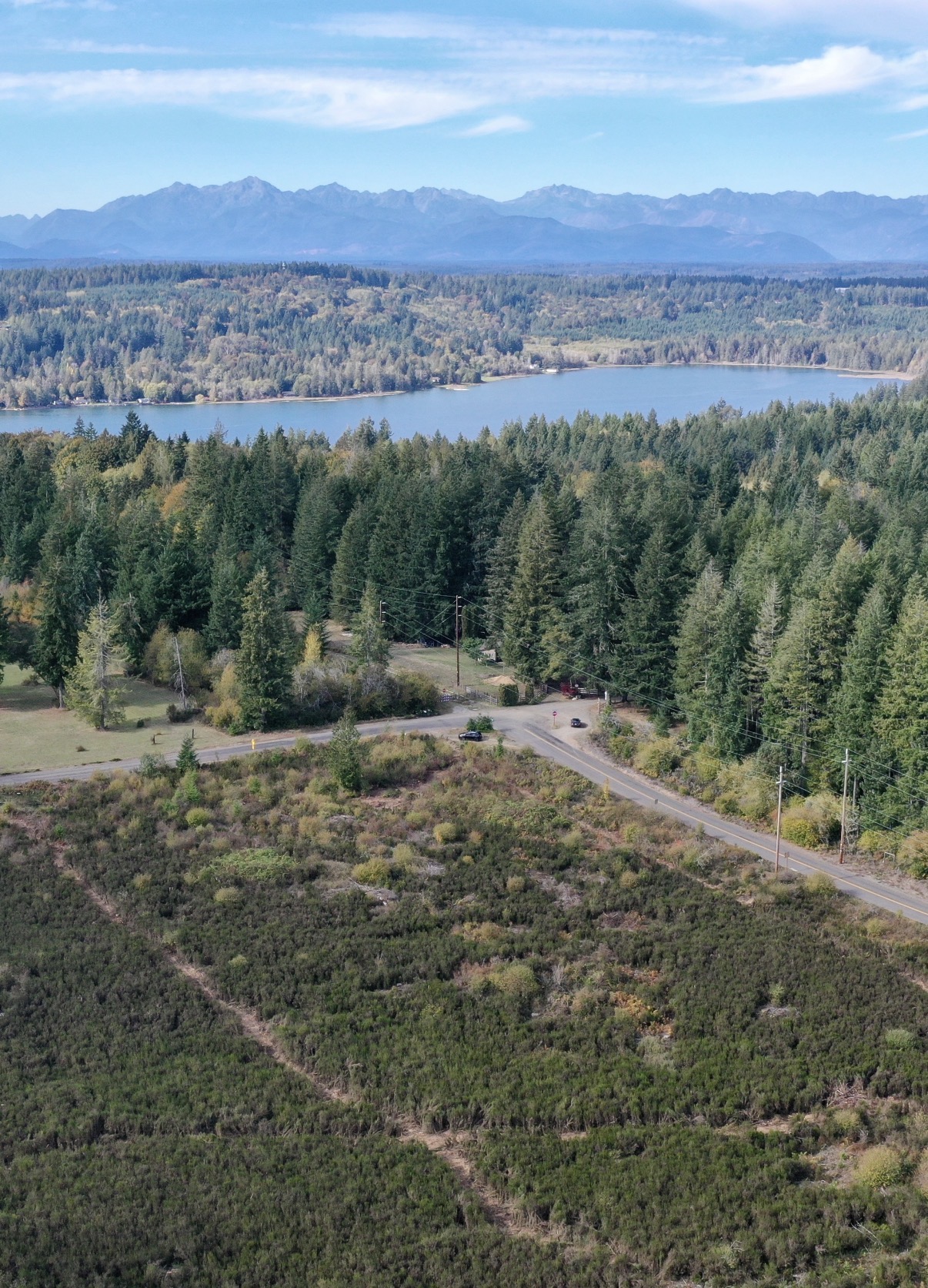
Our story starts with raw land that had been deforested and left overgrown with Scotch broom and blackberry. We’re working to restore the soil and establish a vineyard and tea plantings, with responsible stewardship and sustainable farming guiding our choices. Follow our family as we bring this land into productive agriculture and build a farm with the long term in mind.
Our first episode arrives January 1, 2027. Until then, follow the build and join the newsletter for the next conversation.
Video unavailable here? Open the playlist on YouTube.
Inside the conversations
What does it take to keep a small farm in business today?
That question runs through Trouble on the Sound. As our family builds a farm in Puget Sound, David sits down with farmers, business owners, local experts, and stakeholders to explore the economics, politics, and everyday decisions shaping its future.
The business of staying in business
Land, labor, equipment, and the next unexpected bill. We dig into rising costs, finding customers, and the tradeoffs behind making a farm financially viable.
More ways to make a living
Can agritourism, farm visits, wine, tea, and experiences create a steadier future? We explore what diversification might offer—and the work, expense, and uncertainty that come with it.
The decisions that shape a place
Permits, land use, growth, and the balance between working farms and their neighbors. Conversations about how local policy and the wider political landscape affect what farmers can do.
No finished blueprint. Just a farm taking shape, thoughtful questions, and people with perspectives worth hearing.
Meet your host
What does it take to turn a vision into a working farm?
From Louisiana to the Pacific Northwest
I’m David, and my Cajun roots have a lot to do with how we ended up here. I love to cook, especially when there’s a table full of people to feed. That love of food led me into wine and eventually to pursuing a commercial winemaking certification through UC Davis. Before long, I was dreaming about a place where we could grow, make, and share our own agricultural products. Now my family and I are building that place on the Key Peninsula in Puget Sound, discovering just how much goes into turning “how hard could it be…” into a working farm.
Trouble on the Sound is where we share the adventure. Across social media, you’ll see the build as it happens. On the podcast, I pull up a chair with local experts and stakeholders to talk business, agriculture, economics, and local policy. We explore the questions coming up on our farm and around the community, with room for good stories, different perspectives, and a few laughs.
Expect unexpected setbacks, small victories worth celebrating, and the occasional “well, we won’t do that again.” We’re learning as we go, and you’re welcome along for the ride. Bring your curiosity. We’ve got plenty to talk about.
Have a guest in mind or a partnership to explore?
Let’s talk.A few things to know
The first episode launches Friday, January 1, 2027. New episodes every Friday.
Counting down to January 1 in Pacific time.
No. If you’re curious about building a business, growing something, or figuring things out as you go, there’s a place for you here.
Yes. Email hello@troubleonthesound.com with a little about yourself, your idea, and how it connects with the show.
You’re joining us while the story is still unfolding. We’re building a farm, exploring wine and tea, and figuring out how to make it all work. The podcast brings local experts and stakeholders into that journey, connecting our experiences with bigger questions about business, agriculture, and the community around us. You’ll hear what worked, what didn’t, and what we’re trying next.